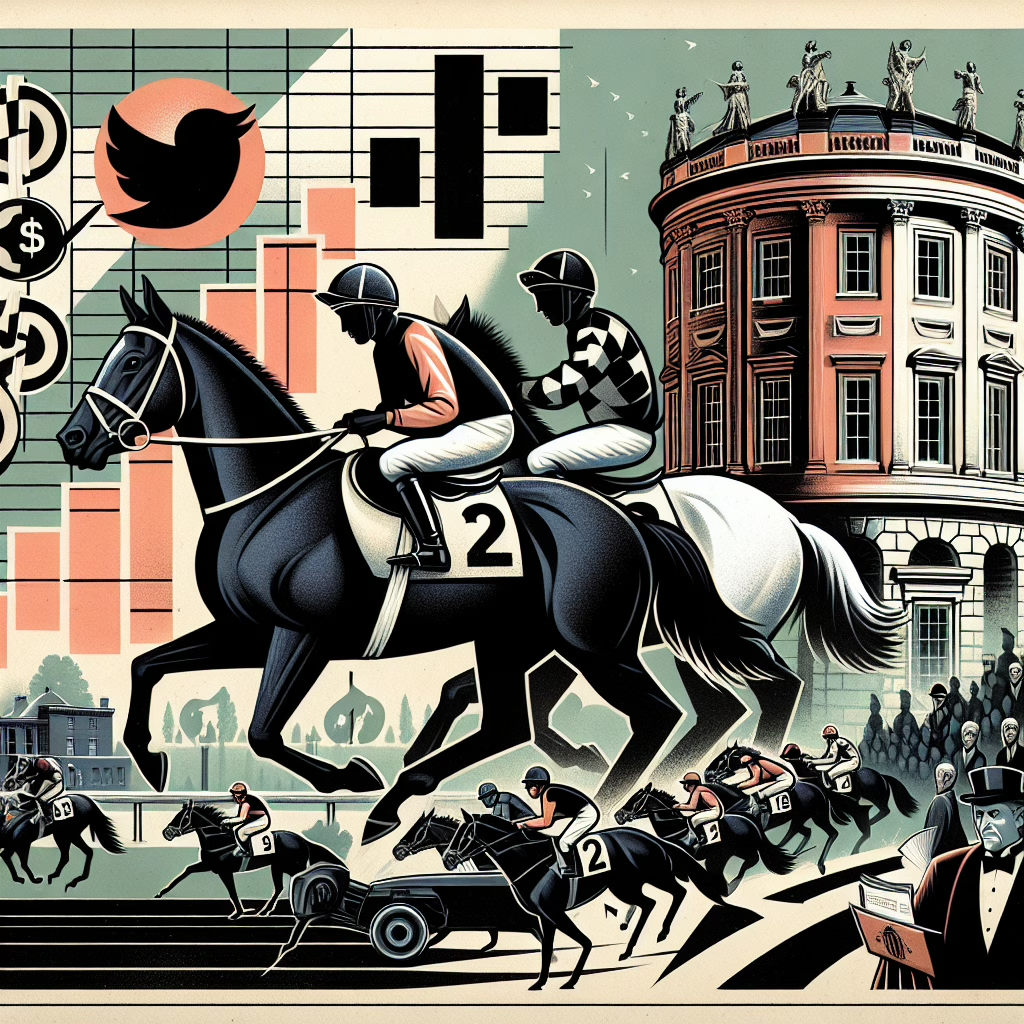
On September 10, the UK horse racing industry embarked on an unprecedented strike, a direct response to the Treasury’s proposed tax increases that could see betting taxes rise to at least 21%. The British Horseracing Authority (BHA) spearheaded this decisive action, citing severe concerns about the financial repercussions such a tax hike could have on this centuries-old sport.
All major racing events scheduled for today, including those at renowned tracks like Carlisle, Kempton Park, Lingfield Park, and Uttoxeter, have been postponed as the industry unites to make its position clear. The strike is part of the BHA’s #AxeTheRacingTax campaign, which was launched in July to combat these looming tax changes.
Brant Dunshea, the acting CEO of the BHA, emphasized the urgent need for unity within the industry to alert the government to the potential devastation the tax increase could cause. “Canceling races today is crucial for us to collectively voice our concerns — this sport, which is cherished nationwide and attracts millions each year, is at risk. The communities and jobs racing supports could face irreversible damage,” he remarked.
The horse racing sector, often dubbed the “sport of kings,” is not only a fixture in High Street betting shops but also a significant economic contributor, employing over 110,000 people and injecting more than £4.1 billion into the UK economy annually. To underscore the gravity of the situation, the Racing Post published a sombre black cover.
Racing Authorities Highlight Dire Economic Threats
The British Horseracing Authority has issued stark warnings regarding the government’s proposed tax changes, emphasizing that these could bring “catastrophic” consequences to the sport. Their projections suggest a potential £330 million loss over five years and estimate that 2,700 jobs could be jeopardized in the first year of the tax’s implementation.
Research conducted by Regulus Partners and Development Economics highlights the racing industry’s dependency on betting revenue, making it particularly sensitive to tax increases. The studies predict that betting operators might react by increasing prices, reducing bonuses, and shifting focus to more lucrative areas like online casinos. Such adjustments could lead to fewer race meetings, diminished prize money, and threaten the livelihoods of stable staff, jockeys, and trainers.
Currently, the financial landscape already imposes a burdensome effective tax rate on betting operators, with the 10% Horserace Betting Levy supporting sport improvements on top of the existing 15% tax. Arena Racing Company’s chief executive, Martin Cruddace, warned, “Britain’s leadership in thoroughbred breeding and racing could be severely compromised. We have different tax structures in place for a reason, distinguishing racing from online casinos and slots, and this should remain.”
He expressed gratitude for the backing of numerous parliamentarians and vowed to continue advocating for the industry’s interests as the Budget approaches in November.
Gambling Industry’s Opposition to the Strike
In contrast, the broader gambling industry has expressed dissatisfaction with the strike, criticizing the lack of dialogue prior to the decision. The Betting and Gaming Council (BGC), representing a diverse array of stakeholders in the sector, voiced its concerns through a spokesperson: “Racing’s decision to reschedule events without consulting betting operators, who are crucial for the sport’s funding, is troubling. Such political maneuvers may irritate the government and disillusion punters rather than solve the mutual challenges faced by racing and betting.”
The BGC emphasized the need for collaboration with the racing sector to avert further harmful tax increases. They stressed, “Any rise in taxes on betting or gaming could undermine racing’s revenues and deter investment in what is already a costlier and less profitable sector for operators.”
Moreover, the BGC warned of the dangers associated with driving customers toward the unregulated black market. “Higher costs and unnecessary disruptions may push punters to illegal markets that contribute nothing to racing or the Treasury and offer no consumer protections,” they cautioned.
As tensions rise between the government, the racing industry, and betting operators, the future of UK horse racing remains uncertain. The industry’s stakeholders are at a critical juncture, with the need to balance financial sustainability and governmental compliance becoming ever more pressing. The coming months will likely determine the path forward for this cherished institution, as all parties seek to safeguard its legacy and economic contribution.

James Miller is an editorial byline used by Casino No Deposits for industry news coverage. Articles published under this byline are summarised from reporting by licensed gambling industry news sources and produced with AI assistance, then published against our editorial rules on accuracy, sourcing and tone. They are not first-hand reporting and do not contain personal player accounts. Our full process, including how bonus listings and ratings are maintained separately by our team, is documented in how we review casinos: https://casinonodeposits.com/how-we-review-casinos/
Topics: Executive Appointments · United Kingdom · Illegal Gambling · Gambling Taxes · Slots · Financial Results
Looking for somewhere to play? See our current no deposit bonus offers, updated with verified codes and full wagering terms.
 4.6/5
4.6/5