
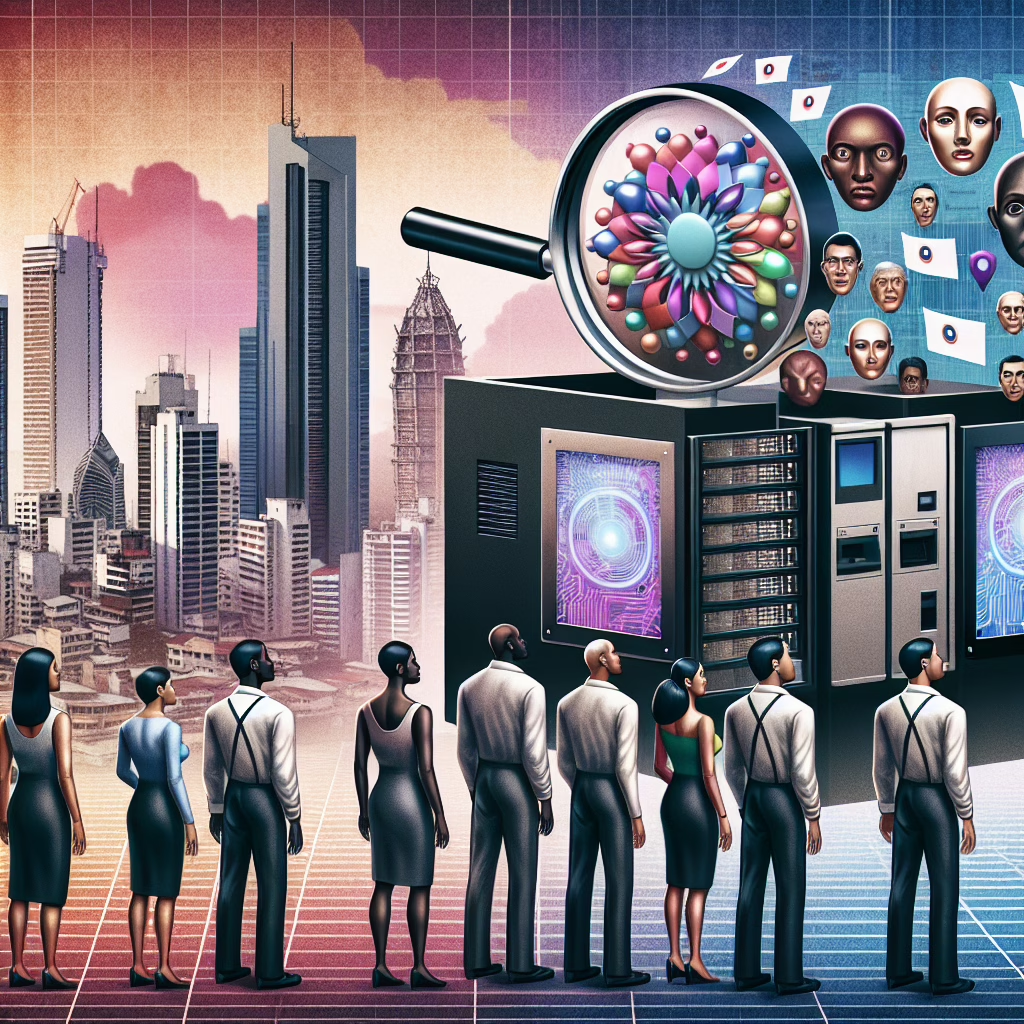
In September 2025, the digitalization of Panama’s National Lottery (Lotería Nacional de Beneficencia, LNB) has ignited significant unrest among lottery vendors, who fear that the modernization efforts may jeopardize tens of thousands of jobs traditionally reliant on physical ticket sales. Dealers’ representatives are voicing urgent calls for transparency and guarantees before any further steps are taken in the digital transition process.
During discussions with TVN Panamá, vendor representatives Alfredo Sosa and José Ruíz emphasized the critical need for comprehensive information on the operational framework of the digital lottery. They highlighted the necessity of evaluating the current number of active sellers and the required number of digital lottery machines to uphold the existing distribution infrastructure. As of now, the vendors have not received any formal details regarding the plan’s technical, logistical, or financial aspects, fueling concerns about their future roles being diminished or entirely replaced by digital platforms.
Amidst these concerns, LNB authorities have pointed out the potential financial benefits of transitioning to an electronic lottery system, with estimates suggesting savings of up to USD 13 million annually by eliminating paper ticket printing costs. While the proposal remains under consideration, officials view it as a step toward modernization and increased efficiency. However, vendors argue that such cost savings should not come at their expense. José Ruíz insists on enhancing player incentives by increasing prize amounts to sustain the lottery’s popularity. Additionally, he underscores the need for improved mechanisms for processing prize payments to winners.
Despite the push for digitalization, the traditional lottery system remains highly lucrative, generating approximately USD 96 million annually. Alfredo Sosa acknowledges this profitability but also draws attention to a significant issue: the rampant illegal lottery market, estimated to cost Panama nearly USD 200 million in potential revenue each year. Sosa explains that the existing system relies heavily on a network of ticket-holders and resellers, with “libreta” owners often lending tickets to third parties for a share of the profits. This informal arrangement supports about 14,700 vendors, both owners and resellers, financially.
One of the vendors’ primary concerns revolves around the potential concentration of digital lottery machine ownership. Sosa warns that just as politically influential individuals currently control the majority of tickets, these same figures could end up dominating the digital lottery terminals in the future. This scenario would leave many vendors dependent on a small group of owners, effectively reducing their earnings and autonomy.
For the vendor community, the issue at hand is about fairness and survival rather than a resistance to modernization. They are urging the LNB to design the digitalization process in a manner that ensures equitable opportunities and protects the livelihoods of those who have sustained the lottery system over the years.
As the LNB continues to explore the feasibility of its digital initiatives, the situation highlights the broader tension between technological advancement and tradition. While technology promises increased efficiency and reduced costs, the risk of marginalizing thousands of workers introduces complex socio-economic challenges. The outcome of this transition will heavily depend on how effectively the government and LNB manage the delicate balance between modernization pressures and the need to safeguard jobs, prevent monopolies, and maintain the lottery’s fundamental role in funding public programs.
Amidst this backdrop, vendors remain steadfast in their demands for transparency, fairness, and inclusivity in shaping the future of Panama’s lottery. They assert that any move toward digitalization must not only prioritize technological progress but also honor the contributions and livelihoods of the individuals who have long been the backbone of the lottery system. By addressing these concerns, the LNB can pave the way for a future that embraces innovation while upholding the values of equity and social responsibility. The debate continues as stakeholders navigate the path forward in this critical moment for Panama’s National Lottery.

Sarah Thompson is an editorial byline used by Casino No Deposits for industry news coverage. Articles published under this byline are summarised from reporting by licensed gambling industry news sources and produced with AI assistance, then published against our editorial rules on accuracy, sourcing and tone. They are not first-hand reporting and do not contain personal player accounts. Our full process, including how bonus listings and ratings are maintained separately by our team, is documented in how we review casinos: https://casinonodeposits.com/how-we-review-casinos/
Topics: Financial Results
Looking for somewhere to play? See our current no deposit bonus offers, updated with verified codes and full wagering terms.
 4.6/5
4.6/5