
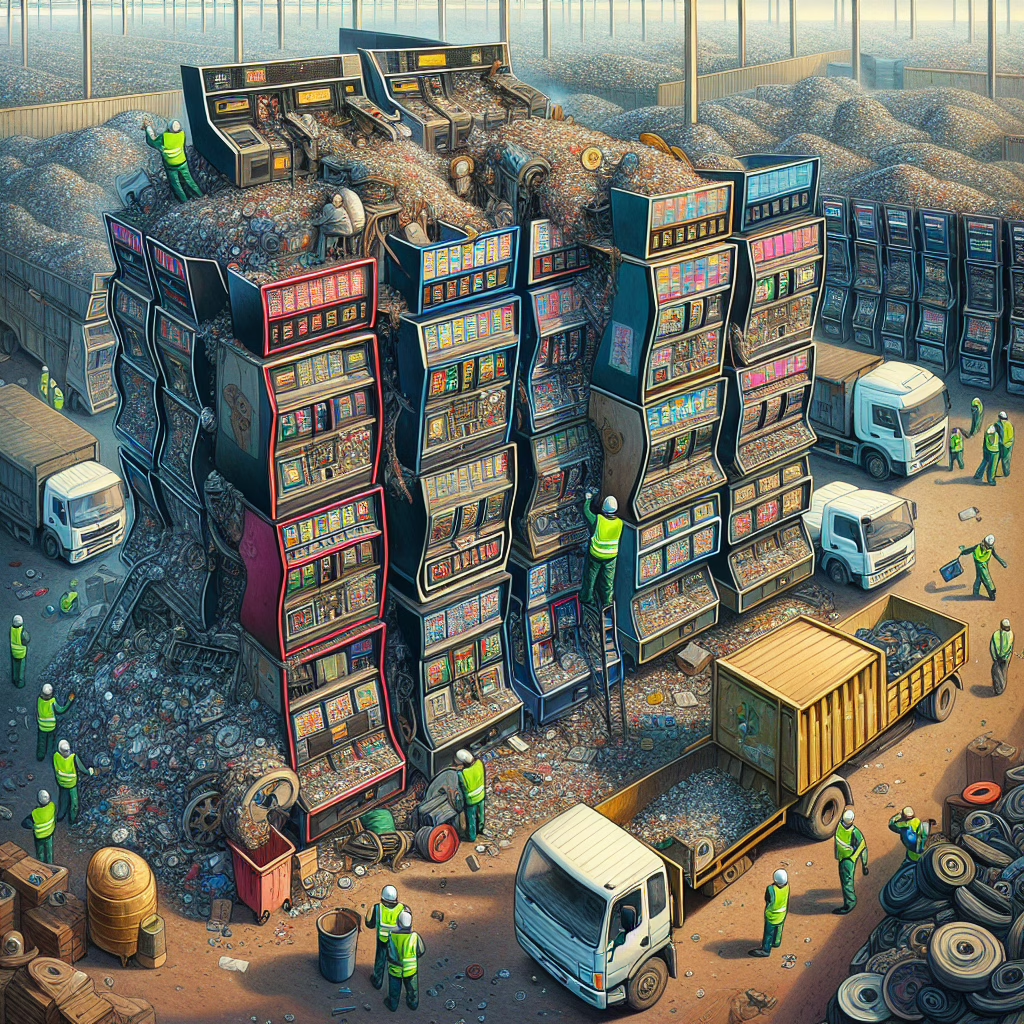
In a decisive move, the Rwandan government has embarked on a nationwide campaign to dismantle and recycle over 7,000 unlicensed slot machines seized across the country. This initiative, led by the Rwanda Development Board (RDB) in collaboration with Enviroserve Rwanda, seeks to tackle the dual challenges of illegal gambling operations and the growing concern over electronic waste.
Rwandan regulations strictly permit only licensed casinos to operate slot machines, leaving many unregulated gaming houses and betting shops in violation of the law. These establishments, scattered across Kigali and other provinces, became the primary targets of the government’s crackdown. As of now, more than 3,500 machines have been collected from Kigali and the Eastern Province alone, marking significant progress in this large-scale operation.
Enviroserve Rwanda, a company specializing in e-waste recycling, has been pivotal in this effort. Olivier Mbera, the Country General Manager of Enviroserve, explained the challenges, “We are processing around 7,000 slot machines. The complexity lies in their components; they are full of plastics, cables, and circuit boards. Our partnership with RDB ensures these machines are disposed of properly, reducing any environmental harm.”
The recycling process involves careful sorting of components to recover valuable materials and manage hazardous substances. Harmful elements, such as brominated flame retardants, are meticulously separated to minimize their environmental impact. Conversely, reusable metals and plastics find new life in local manufacturing or are exported for further processing. Mbera emphasized the efficiency of their operations, noting, “Nothing is wasted. Steel goes into making new steel products, and copper is reused for cables.”
Amid these efforts, the RDB has also taken a firm stance against foreign gaming companies involved in these unlawful activities. Eight such companies have been ordered to remove around 1,000 illegal slot machines from Rwanda by December 2025, underlining the strict enforcement of gaming laws. Jacques Habyarimana from the RDB highlighted the urgency, stating, “These companies must act swiftly to comply with the regulations. Our deadline is clear—by December, these machines should no longer be present in Rwanda.”
This initiative is not only about enforcement but also education and community engagement. The campaign aims to raise awareness about the new gaming regulations and involves training locals in safe dismantling techniques. The RDB’s comprehensive approach seeks to mitigate the social and environmental risks associated with illegal gambling machines while fostering a more informed and compliant community.
In a broader context, Rwanda’s efforts reflect a growing global recognition of the need for responsible e-waste management. The environmental dangers posed by discarded electronic equipment have become a significant concern worldwide. Rwanda’s strategy of combining stringent regulation with environmental stewardship could serve as a model for other nations grappling with similar issues.
Despite the strong governmental actions and clear objectives, some industry observers argue that tackling the root causes of illegal gambling requires more than just regulation and recycling. They point to socioeconomic factors and the demand for accessible entertainment options as key drivers of the underground gaming market. Therefore, a holistic approach, including the provision of legal and regulated alternatives, might be necessary to fully address the problem.
Nonetheless, the recent lifting of a 13-month suspension on gambling licenses in Rwanda marks a pivotal moment for the country’s gaming industry. This decision opens doors for both casino and sports betting operators to apply for licenses under a newly conceived framework, potentially redirecting illegal operations into legitimate channels.
While some stakeholders remain optimistic about the long-term benefits of regulated gaming, others caution that the transition will require continued vigilance and adaptation. The success of this campaign will depend on the sustained commitment of the government, the gaming industry, and the community to adhere to the established rules and guidelines.
In conclusion, Rwanda’s initiative to recycle illegal slot machines presents a multifaceted approach to addressing the challenges of unregulated gambling and e-waste. Through effective partnerships, rigorous enforcement, and community engagement, the country is taking significant steps to protect its environment and ensure a fair and legal gaming industry. As this campaign progresses, it will be crucial to monitor its impact and adapt strategies to ensure its success in the face of evolving challenges.

James Miller is an editorial byline used by Casino No Deposits for industry news coverage. Articles published under this byline are summarised from reporting by licensed gambling industry news sources and produced with AI assistance, then published against our editorial rules on accuracy, sourcing and tone. They are not first-hand reporting and do not contain personal player accounts. Our full process, including how bonus listings and ratings are maintained separately by our team, is documented in how we review casinos: https://casinonodeposits.com/how-we-review-casinos/
Topics: Illegal Gambling · Partnerships · Sports Betting · Slots · Enforcement · Gambling Regulation
Looking for somewhere to play? See our current no deposit bonus offers, updated with verified codes and full wagering terms.
 4.6/5
4.6/5