
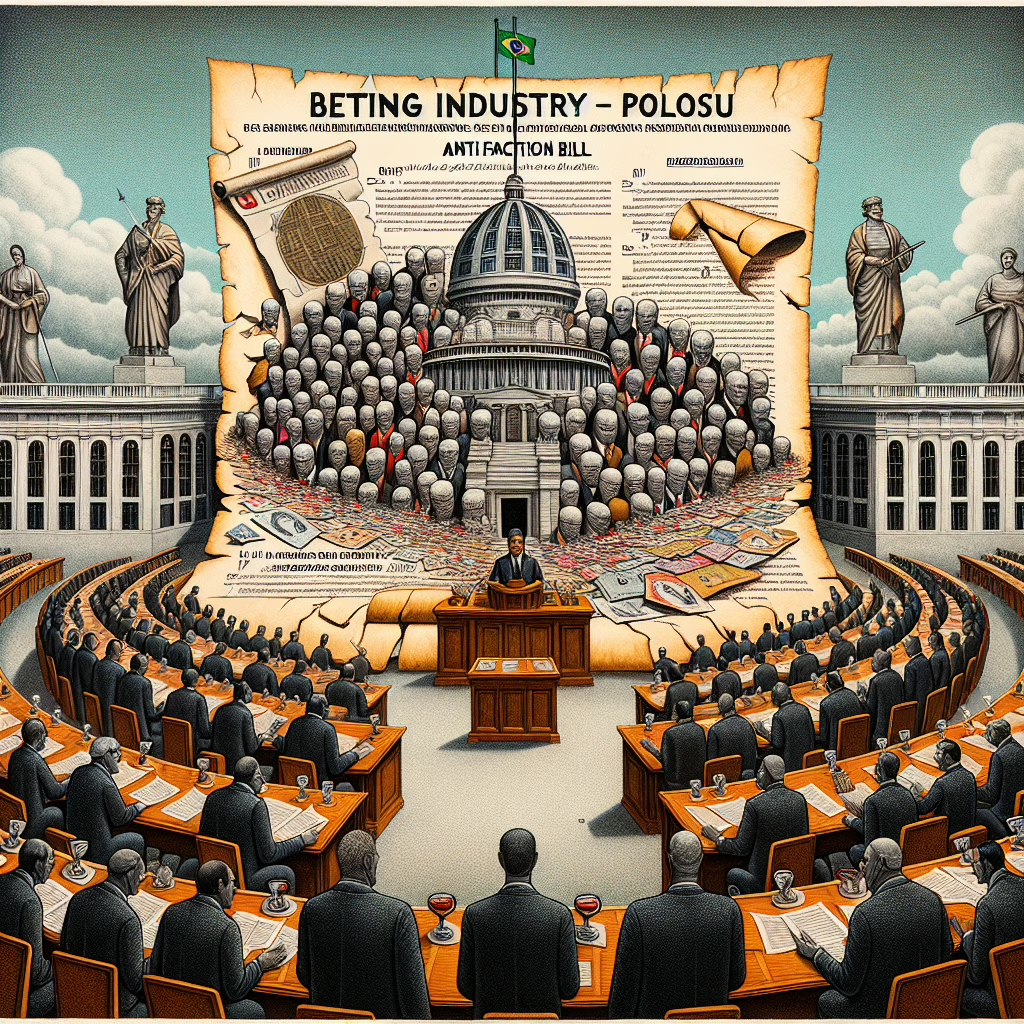
The Brazilian Senate is currently embroiled in a critical debate over the taxation framework for the burgeoning sports betting industry. Senator Alessandro Vieira, the appointed rapporteur for the Anti-Match-Fixing Bill (PL Antifacção), has firmly dismissed a proposal from bookmakers that suggested taxes be levied based on gross revenues. Instead, Vieira advocates for a system where taxes are imposed directly on the bets placed by punters, asserting that this method offers enhanced transparency, predictability, and governmental oversight.
This debate underscores the intricate challenges faced by both regulatory authorities and sports betting operators as Brazil seeks to regulate a rapidly expanding market while ensuring fiscal accountability. The crux of the issue lies in finding a balance that supports market growth without compromising public revenue integrity.
The Senate’s Rejection of Gross Revenue Taxation
Senator Vieira has raised significant concerns regarding the feasibility of taxing gross revenues within the betting industry. He argues that the lack of a standard definition for “gross revenue” across different betting platforms complicates this approach. Each platform employs unique business models that affect how gross revenues are calculated, incorporating elements such as bonuses, promotional credits, void bets, and cash-back offers.
Vieira warns that these complexities could allow companies to manipulate data, potentially reducing their taxable income even when profits are substantial. He believes this could undermine the predictability of tax revenues and reduce the effectiveness of the taxation system. From a public finance perspective, relying on corporate-reported figures could hinder the government’s ability to project accurate revenue forecasts.
A Proposal for Direct Taxation on Bets
To address these concerns, Vieira proposes a shift towards taxing the actual bets placed by users, rather than relying on revenue metrics determined by companies. He suggests that this would create a more objective and auditable tax base, as individual bets can be more easily monitored by authorities.
In this proposed framework, taxes collected from betting operators would primarily fund public security initiatives, establishing a direct link between gambling taxation and oversight. This ensures that stringent controls are maintained, safeguarding both public interests and market integrity.
Introducing Cide-Bets
A notable feature of the bill is the introduction of a new contribution known as Cide-Bets, which imposes a 15% fee on online bets. This measure is projected to generate approximately R$30 billion in additional annual revenues.
Senator Vieira explains that Cide-Bets is intended as a temporary measure, to remain in place until the broader Selective Tax is implemented as part of Brazil’s ongoing tax reform. This interim solution aims to provide a continuous revenue stream during the transition to the new tax framework.
Vieira justifies the elevated tax rates on the betting industry by drawing parallels with heavily taxed products such as tobacco and alcohol. Despite high taxes, these products maintain significant levels of consumption, suggesting that betting, which similarly carries addiction risks, could endure higher taxes without adverse economic impact.
Progress and Future of the Legislation
After passing in the Senate, the Anti-Faction Bill has been sent back to the Chamber of Deputies for further consideration before it reaches President Luiz Inácio Lula da Silva for approval or veto. Members of the Chamber may propose amendments to the bill before a final decision is made.
However, discussions have been postponed until the next legislative session, as the current session concludes on December 19th. This delay highlights the ongoing uncertainty surrounding the final structure of Brazil’s betting tax laws, with all stakeholders awaiting a resolution that considers their diverse interests.
Despite differing viewpoints, the consensus remains that the Brazilian sports betting industry requires a robust regulatory framework that supports growth while ensuring transparency and revenue stability. As the debate continues, market participants and lawmakers alike are keenly aware of the significant economic implications at stake.

Sarah Thompson is an editorial byline used by Casino No Deposits for industry news coverage. Articles published under this byline are summarised from reporting by licensed gambling industry news sources and produced with AI assistance, then published against our editorial rules on accuracy, sourcing and tone. They are not first-hand reporting and do not contain personal player accounts. Our full process, including how bonus listings and ratings are maintained separately by our team, is documented in how we review casinos: https://casinonodeposits.com/how-we-review-casinos/
Topics: Brazil · Illegal Gambling · Gambling Taxes · Sports Betting · Financial Results · Gambling Regulation
Looking for somewhere to play? See our current no deposit bonus offers, updated with verified codes and full wagering terms.
 4.6/5
4.6/5