
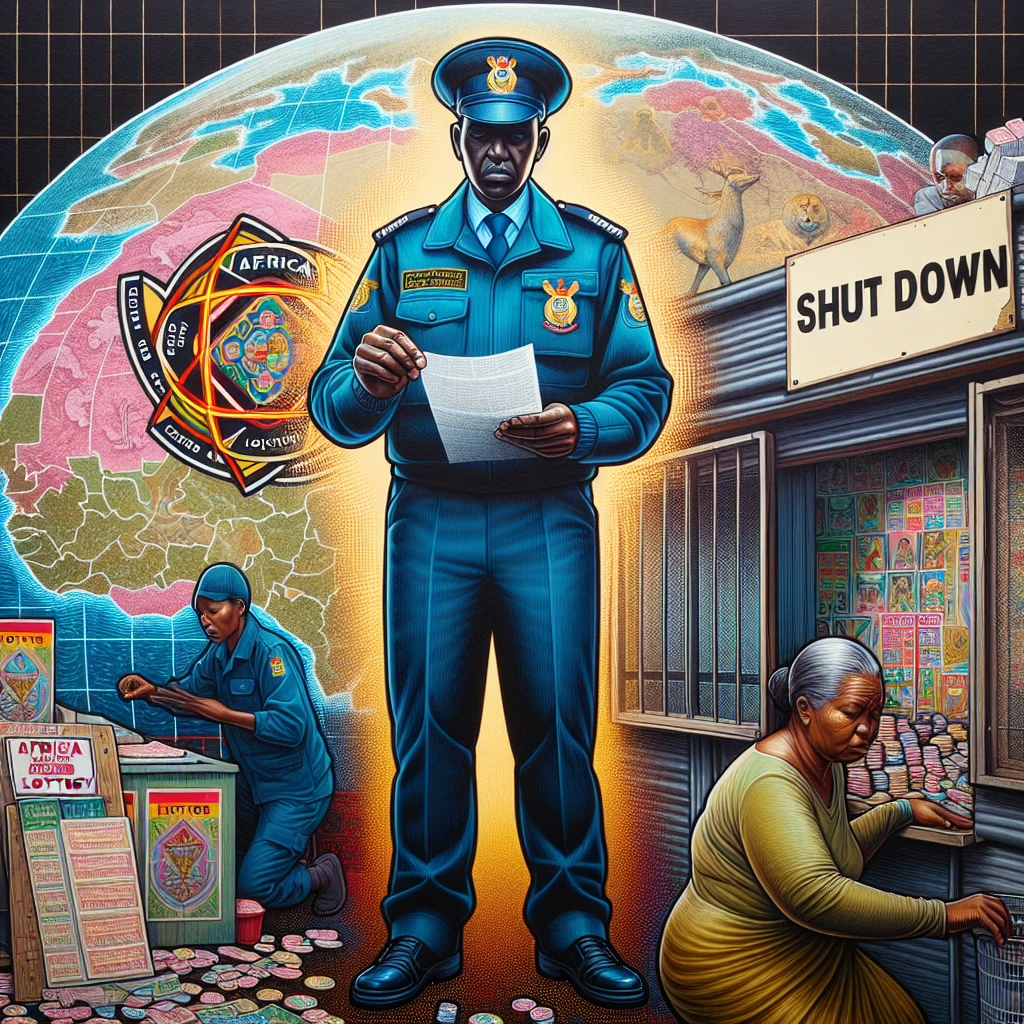
The Limpopo Gambling Board (LGB) is intensifying its efforts against unauthorized lottery activities, particularly targeting the popular Fafi game, which is drawing significant participation from townships and villages across the province. These unlicensed games have seen persistent growth, causing concern among authorities due to their impact on household financial stability.
Originating from the traditions of Chinese immigrants in South Africa, Fafi has developed into a well-known betting game where players select numbers, each associated with a symbol or dream. For example, the number one is linked to a king, while seventeen represents a car. Despite its cultural roots, the game has become a significant underground activity, with many residents risking large portions of their daily income for the possibility of a quick win.
A study conducted in 2024 highlighted the extent of these operations, estimating that Fafi runners collect thousands of rand each day, primarily from the working-class demographic. In rural areas lacking official gambling establishments, Fafi offers an easily accessible form of entertainment that operates outside the oversight of provincial authorities.
In March 2025, the LGB had already issued warnings to the public, urging them to avoid participating in such games, including Fafi, dice, and card betting. These activities, they reiterated, are not regulated under the National Gambling Act. The board’s spokesperson, Thapelo Morero, emphasized the issue: the games fall outside official regulations designed to ensure fair gaming and protect participants, allowing Fafi operators to circumvent established rules completely.
The LGB has renewed its consumer protection message, highlighting the risks faced by participants in unregulated lotteries. Without formal protection, players stand vulnerable to rigged games or non-payment by operators. The board has also encouraged the public to report any illegal gambling activities they encounter via a confidential hotline.
This warning is part of an extensive campaign aiming to reduce unlicensed gambling operations and educate residents about the dangers associated with informal gaming networks. Recent enforcement actions by authorities have included raids in September 2025 on suspected illegal gambling venues, which often masquerade as internet cafes. These actions resulted in the seizure of unlawful gaming equipment and the arrest of several organizers, demonstrating the ongoing commitment to dismantling these underground networks.
Despite these efforts, there remains a strong appeal for informal lotteries like Fafi, particularly in regions where legitimate gambling options are limited or non-existent. For many, these games provide not only entertainment but also a sense of community and tradition. An observer might note that for some players, the cultural and communal aspects of Fafi outweigh the potential financial risks.
However, there are contrasting perspectives on the matter. Critics of the board’s crackdown argue that prohibitive measures may not address the root causes of why people participate in these games. They suggest that rather than focusing solely on enforcement, there should be efforts to create legal, accessible, and socially responsible gambling options that can offer similar entertainment value while being regulated for fairness and safety.
The LGB acknowledges that while enforcement actions are crucial, there is also a need for broader strategies that include education and the development of legitimate leisure facilities. The board continues to emphasize the importance of maintaining a regulated gambling environment to protect the economic interests of local communities and ensure that gambling remains a secure and fair activity for all participants.
As the crackdown continues, the challenge remains to balance regulatory enforcement with an understanding of the cultural and social dimensions of games like Fafi. The LGB’s actions reflect a commitment to safeguarding public interest, but the conversation around these informal lotteries is likely to persist, especially as they remain deeply embedded in the fabric of local community life.

Sarah Thompson is an editorial byline used by Casino No Deposits for industry news coverage. Articles published under this byline are summarised from reporting by licensed gambling industry news sources and produced with AI assistance, then published against our editorial rules on accuracy, sourcing and tone. They are not first-hand reporting and do not contain personal player accounts. Our full process, including how bonus listings and ratings are maintained separately by our team, is documented in how we review casinos: https://casinonodeposits.com/how-we-review-casinos/
Topics: South Africa · China · Illegal Gambling · Responsible Gambling · Enforcement · Gambling Regulation
Looking for somewhere to play? See our current no deposit bonus offers, updated with verified codes and full wagering terms.
 4.6/5
4.6/5