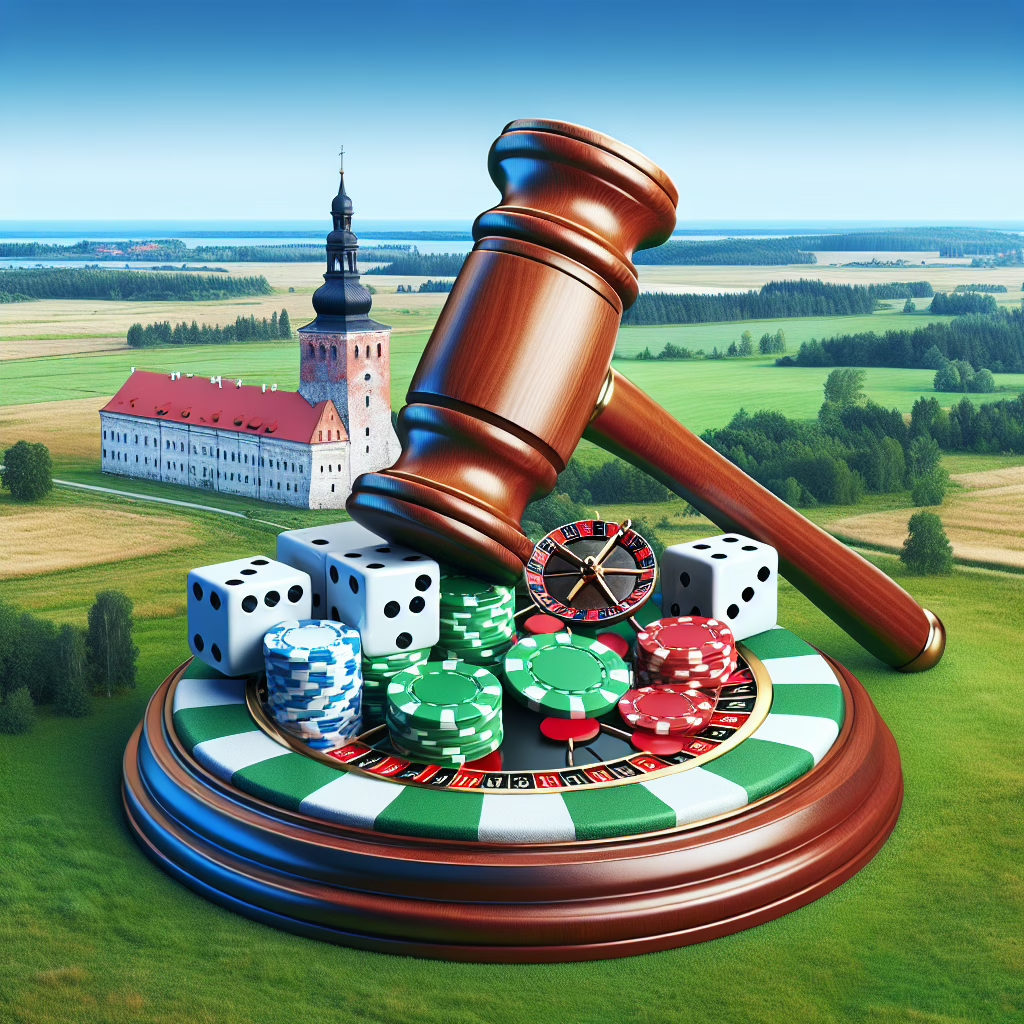
On September 11, 2025, the Lithuanian Gambling Supervisory Authority (LPT) launched an investigation into Olympic Casino Group Baltija, the company that operates under the Olybet brand. This inquiry centers around the display of Olybet trademarks at a Fan Zone near the White Bridge in Vilnius, where crowds gathered to watch the European Basketball Championship games. The investigation highlights Lithuania’s intensified focus on regulating gambling advertising, amid rising concerns about industry compliance and the regulator’s firm stance on aligning promotional activities with national legislation.
The recent scrutiny follows Lithuania’s amendment of its Gambling Law on July 1, which specifically bans outdoor gambling advertising. According to these changes, operators are restricted to displaying only their name or trademark at venues where gambling activities occur. This legislative shift is part of a broader transitional strategy aiming for a total ban on gambling ads, intended to make gambling less enticing and accessible, thereby mitigating potential societal harms. Although the law permits public announcements when betting companies sponsor sports events or broadcasts, the LPT has clarified that the Fan Zone does not qualify under these exceptions. The regulator stipulated, “A fan zone where you can watch matches is not considered a sports event or its broadcast,” signaling that Olybet-branded signage at the Fan Zone is categorized as prohibited advertising.
The LPT’s investigations revealed that Olympic Casino Group Baltija, despite receiving guidance from the regulator, proceeded with its unauthorized promotions. The authority expressed that its outreach efforts, which also included communications with Motiventti, the organizer of the event at the White Bridge, were disregarded. Despite the Fan Zone receiving municipal approval and being backed by the city of Vilnius, the heavy presence of gambling branding at a location accessible to families and minors has raised significant concerns. In response, the LPT urged the Vilnius Municipality to enforce necessary corrective actions to align with the new advertising rules.
This investigation is part of the LPT’s broader efforts to prepare the gambling industry for stricter advertising regulations. Since March, the regulator has conducted five meetings with industry stakeholders and provided 45 individual consultations, supplemented by detailed FAQs published on its website to facilitate compliance. Even after the implementation of the new regulations in July, the LPT has continued to assist operators by issuing reminders and compliance suggestions when potential violations were observed.
However, not everyone agrees with the LPT’s strict stance. Critics argue that such stringent controls on advertising could lead to unintended consequences, such as driving gambling activities underground, where they would be less regulated and potentially more harmful. They suggest that a balanced approach, which includes responsible advertising and public education about gambling, might be more effective in managing the risks associated with gambling.
On the other hand, proponents of the advertising ban assert that protecting vulnerable groups, particularly minors, from gambling influences is of utmost importance. They argue that the pervasive nature of advertising can normalize gambling, particularly in environments like fan zones where sports enthusiasm is high, and young people are present. By restricting promotional activities, they believe that Lithuania is taking a proactive stance in safeguarding public health and ensuring that gambling remains an adult activity.
The Lithuanian market is not alone in its struggles to balance economic interests with public welfare. Across Europe, countries are adopting diverse strategies to regulate gambling advertising. Some nations have implemented strict bans, while others opt for more moderate restrictions accompanied by rigorous oversight. This trend reflects a broader European movement towards implementing policies that prioritize consumer protection and address the social costs of gambling.
With the ongoing investigation into Olympic Casino Group Baltija, the LPT is sending a clear message to the gambling industry: compliance with advertising regulations is non-negotiable. This development may prompt other operators to reassess their marketing strategies to ensure they align with the evolving legal landscape. As the European Basketball Championship continues, the focus remains on how Lithuania’s regulatory actions will influence both domestic and regional approaches to gambling advertising.

Sarah Thompson is an editorial byline used by Casino No Deposits for industry news coverage. Articles published under this byline are summarised from reporting by licensed gambling industry news sources and produced with AI assistance, then published against our editorial rules on accuracy, sourcing and tone. They are not first-hand reporting and do not contain personal player accounts. Our full process, including how bonus listings and ratings are maintained separately by our team, is documented in how we review casinos: https://casinonodeposits.com/how-we-review-casinos/
Topics: Gambling Regulation
Looking for somewhere to play? See our current no deposit bonus offers, updated with verified codes and full wagering terms.
 4.6/5
4.6/5