
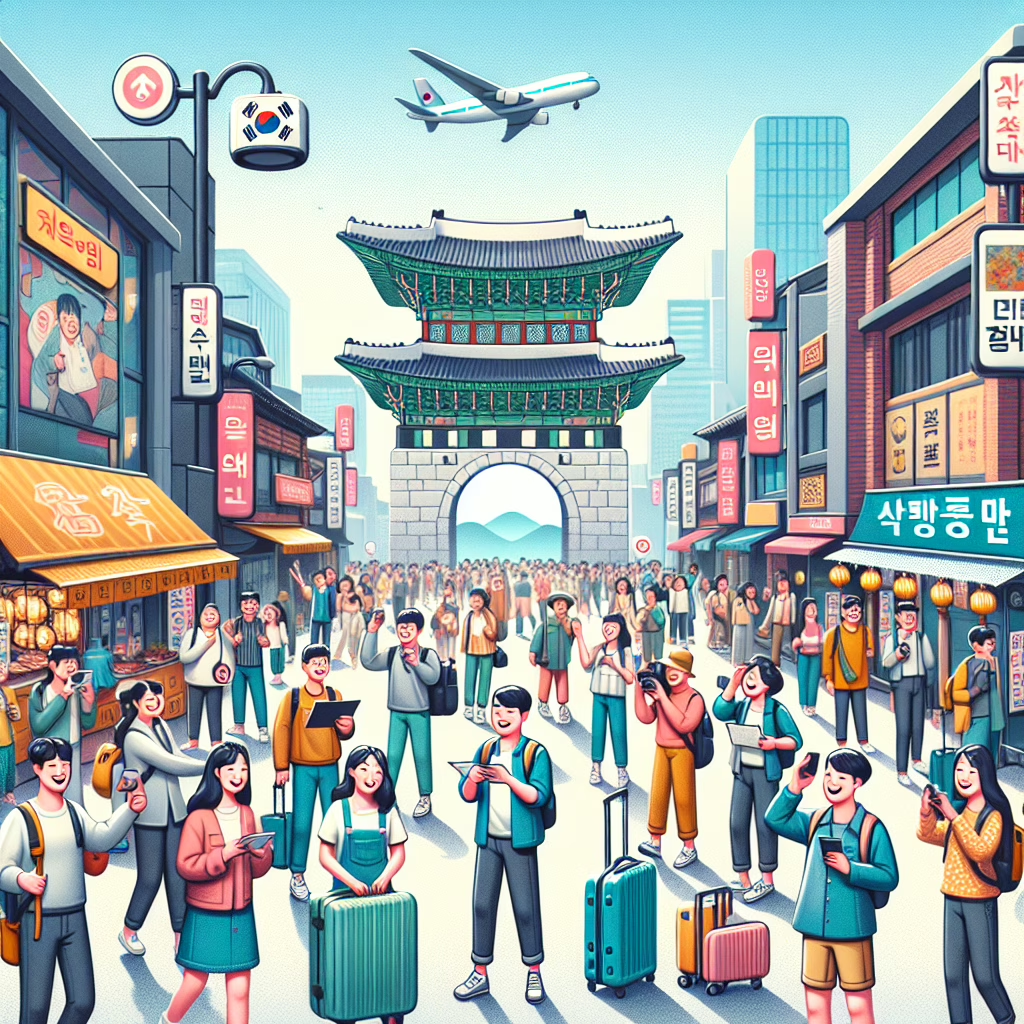
South Korea is anticipating a significant influx of Chinese tourists as the government unveils a short-term visa-free entry policy starting on September 29, 2025. Under this new regulation, groups of three or more Chinese nationals can enter South Korea without a visa for up to 15 days. This policy, effective until June 30, 2026, marks the most substantial relaxation of travel restrictions since the onset of the COVID-19 pandemic, heralding a new era for South Korea’s tourism industry.
The move is strategically aimed at reviving South Korea’s tourism sector, a critical component of the country’s economy, which heavily relies on Chinese visitors. Particularly, the foreigner-exclusive casinos, which have historically depended on Chinese patrons, stand to benefit significantly from this decision.
Visitor Trends and Projections
In the first half of 2025, South Korea welcomed approximately 2.54 million Chinese visitors, a recovery to nearly 90% of the pre-pandemic levels seen in 2019, according to the Korea Tourism Organization (KTO). The forthcoming October Golden Week holiday in China, taking place from October 1 to 8, is anticipated to be a crucial period for assessing the impact of the visa exemption on tourism numbers.
Casinos and Digital Innovations Targeting Chinese Guests
Jeju Island, renowned for its appeal to tourists, remains at the forefront of South Korea’s tourism revival. The Jeju Dream Tower, managed by Lotte Tour Development, is actively engaging Chinese tourists by offering exclusive discounts through platforms like Alipay and WeChat Pay, as well as specialized dining and retail experiences. During the lead-up to Golden Week, foreign visitors make up around 70% of the hotel’s clientele, with Chinese tourists accounting for a substantial 80% of that segment.
Additionally, Jeju Shinhwa World is promoting free theme-park admission through 2025 for group tours, as part of a collaboration with local accommodations and recreational facilities. Meanwhile, INSPIRE Entertainment Resort has launched a WeChat Mini Program, simplifying the process for Chinese tourists to book, make payments, and check event details, such as concerts at INSPIRE Arena.
On the mainland, Seven Luck casinos in Seoul and Busan, operated by Grand Korea Leisure, are celebrating their 20th anniversaries with tourism-promoting campaigns. Paradise Co., which runs Paradise City in Incheon, is also preparing to capitalize on the anticipated rise in Chinese visitors, although it has yet to announce any new campaigns.
Retail Sector Seeks to Adapt to Returning Chinese Shoppers
Major department and duty-free stores, including Lotte, Shilla, and Shinsegae, are adjusting their offerings to cater to the preferences of Chinese tourists. These retailers are revamping their product lines to include popular Chinese brands and are promoting discounts via Alipay and WeChat Pay from late September through early October.
Efforts include Lotte Duty Free strengthening collaborations with travel agencies in Qingdao and Guangzhou, Shilla Duty Free organizing major convention groups in its China offices, and Shinsegae Duty Free targeting smaller, high-spending tour groups, moving away from mass tourism.
Tourism Industry Prepares for Golden Week
Travel agencies in southern China have quickly crafted special packages under the “visa-free first group” banner, integrating cultural experiences such as hanbok-wearing tours at Gyeongbokgung Palace and scenic excursions in Gangwon Province. Airlines and tour operators are expanding their group travel itineraries to encompass both Seoul and Jeju, in response to the high demand for short cultural and leisure trips.
Hotels like Shilla Stay and Lotte City are offering group discounts and digital payment promotions aligned with the Golden Week period. However, airline operators caution that despite the expected surge in travelers, high operational costs may impact profitability.
Potential Challenges Amid Optimism
The introduction of the visa-free policy comes ahead of the Asia-Pacific Economic Cooperation (APEC) forum, scheduled to be held in Gyeongju later this month. Authorities predict that this policy will further boost tourist arrivals, with China poised to become South Korea’s largest tourist market.
Yet, some experts warn that rising accommodation costs and lasting changes in travel behaviors post-pandemic might dampen the short-term effects. Duty-free shops observe that while large group tours remain vital for revenue, Chinese tourist consumption is diversifying, with a growing focus on lifestyle and cultural experiences rather than mass shopping.
Navigating the Future of Tourism Recovery
South Korea’s casino and tourism sectors are poised for a resurgence of Chinese visitors, driven by the new visa-free entry policy. The success of this initiative during the upcoming Golden Week holiday season will be closely monitored, as it holds significant implications for sustained tourism growth in the coming months. The industry’s optimism is tempered with caution, recognizing the need to adapt to evolving traveler expectations and market dynamics.

erik is an editorial byline used by Casino No Deposits for industry news coverage. Articles published under this byline are summarised from reporting by licensed gambling industry news sources and produced with AI assistance, then published against our editorial rules on accuracy, sourcing and tone. They are not first-hand reporting and do not contain personal player accounts. Our full process, including how bonus listings and ratings are maintained separately by our team, is documented in how we review casinos: https://casinonodeposits.com/how-we-review-casinos/
Topics: South Korea · China · Financial Results · Gambling Regulation
Looking for somewhere to play? See our current no deposit bonus offers, updated with verified codes and full wagering terms.
 4.6/5
4.6/5