
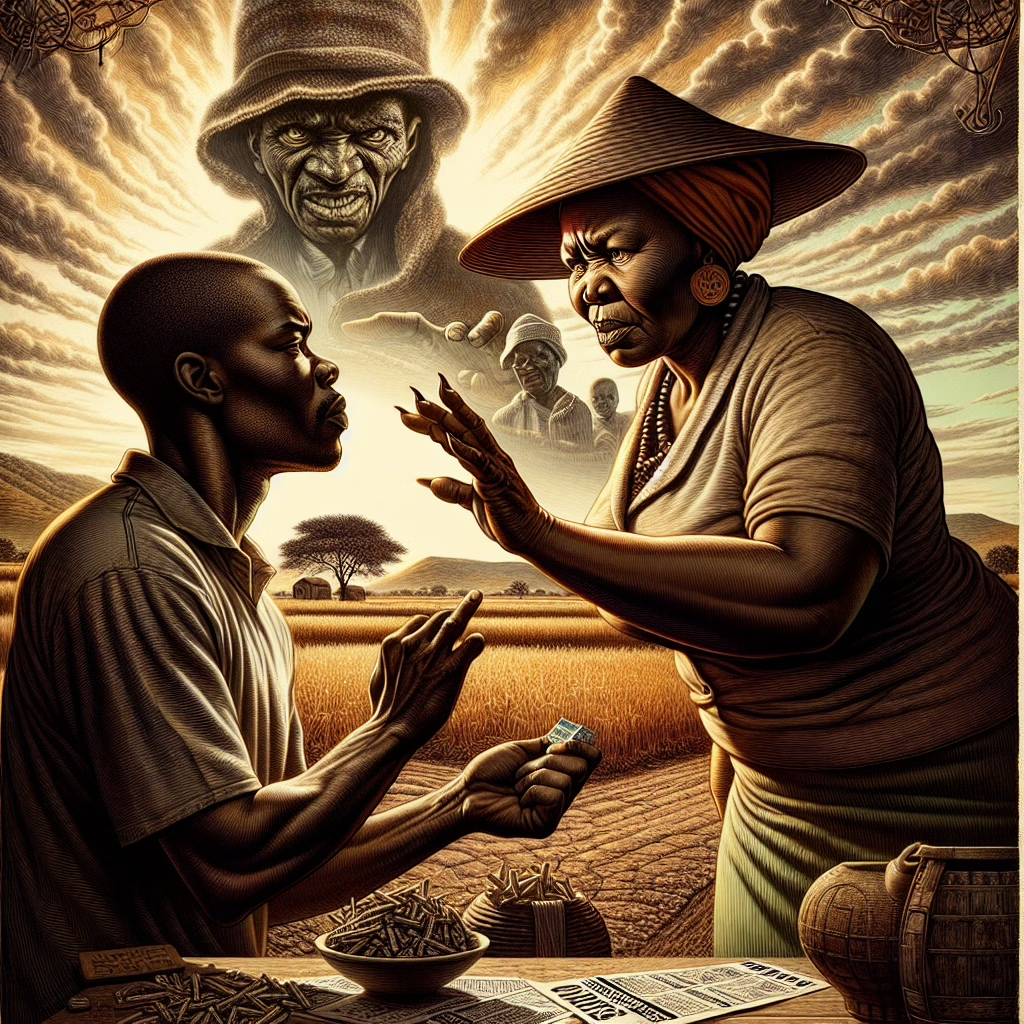
The Limpopo Gambling Board (LGB) has intensified its efforts to combat the rising prevalence of Fafi, a numbers-based lottery game deeply ingrained in the culture of Limpopo’s rural communities. The game, which traces its origins back to the early Chinese immigrant communities in South Africa, has become a popular form of gambling among residents in the province’s townships and villages. Participants select numbers between 1 and 36, each associated with different symbols or dreams, such as a king symbolizing number one and a car representing seventeen.
This informal gambling activity has sparked significant concern among authorities due to its impact on community welfare. The board has highlighted the dangers it poses to financial stability, as many players bet a portion of their daily earnings in hopes of turning a quick profit. The absence of financial regulation means that these games operate outside the legal framework established by the National Gambling Act.
A study conducted in 2024 by local researchers brought to light the extensive reach of these underground lotteries. The report revealed that Fafi operators, known as runners, amass thousands of rand each day, predominantly from working-class families who often lack access to formal gambling establishments. For many, Fafi offers an accessible, albeit risky, form of entertainment, far removed from the oversight of provincial regulators.
In March 2025, the LGB had already issued warnings to residents about the implication of engaging in unregulated gambling activities, including Fafi, dice, and card games. Thapelo Morero, a spokesperson for the board, emphasized that these activities do not fall under the board’s regulatory framework, stating, “We license operators to ensure fair play and protect participants, but Fafi operators evade those rules entirely.”
To reinforce consumer protection, the board has ramped up its public awareness campaigns, highlighting the risks tied to unregulated gambling. Participants in these lotteries face the possibility of being defrauded, with no legal recourse if an operator fails to pay out winnings or if a game is rigged. The board has encouraged residents to report any knowledge of illegal gambling operations through a confidential hotline, forming part of their comprehensive campaign to curb such activities.
Furthermore, the LGB’s enforcement drives have gained momentum, with September 2025 marking a critical point in their campaign. Provincial authorities conducted a series of raids targeting suspected illegal gambling operations masquerading as internet cafes. These actions led to the seizure of unauthorized gaming machines and the arrest of multiple organizers involved in these underground networks.
The board remains steadfast in its mission to dismantle these operations, recognizing the economic harm they inflict on local communities. These activities undermine the legal gambling framework, which is designed to ensure fairness and provide economic benefits to society. The persistence of such illegal activities poses a threat not only to individual financial stability but also to the broader economic health of the region.
However, the allure of Fafi and similar games remains strong due to their cultural roots and the thrill of potential winnings, making eradication efforts challenging. Some community members argue that these informal games offer much-needed entertainment in areas lacking recreational facilities and economic opportunities. They suggest that instead of a blanket crackdown, there could be pathways to formalize and regulate these activities, bringing them under the legal umbrella while preserving their cultural significance.
This perspective highlights a critical debate within the province: how to balance cultural traditions with the need for regulation and consumer protection. While authorities focus on enforcement and public education, community engagement and dialogue could play a pivotal role in addressing the underlying issues driving the popularity of such games.
As the Limpopo Gambling Board continues its crackdown, its dual focus on enforcement and public education aims to protect vulnerable communities from the potential pitfalls of unregulated gambling. Whether the board’s efforts will lead to a significant reduction in Fafi’s prevalence remains to be seen. The outcome will depend largely on their ability to address both the economic and cultural dimensions of this complex issue.

Sarah Thompson is an editorial byline used by Casino No Deposits for industry news coverage. Articles published under this byline are summarised from reporting by licensed gambling industry news sources and produced with AI assistance, then published against our editorial rules on accuracy, sourcing and tone. They are not first-hand reporting and do not contain personal player accounts. Our full process, including how bonus listings and ratings are maintained separately by our team, is documented in how we review casinos: https://casinonodeposits.com/how-we-review-casinos/
Topics: South Africa · China · Illegal Gambling · Licensing · Financial Results · Enforcement
Looking for somewhere to play? See our current no deposit bonus offers, updated with verified codes and full wagering terms.
 4.6/5
4.6/5