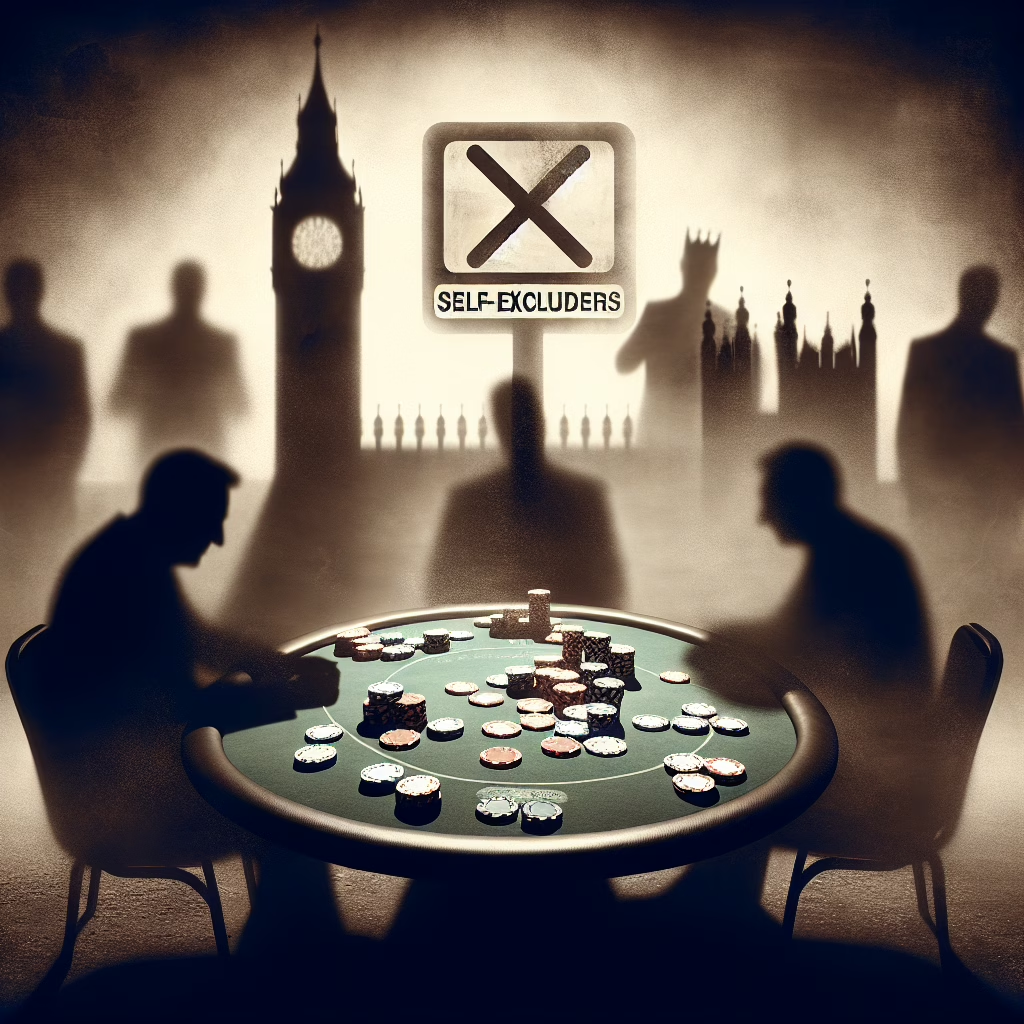
In 2018, GamStop was launched with the aim of offering individuals struggling with gambling addiction a viable exit strategy. Over half a million users have since registered, thereby excluding themselves from UK-licensed online gambling platforms for durations ranging from six months to five years. For many, this system serves its intended purpose effectively.
However, as the scheme has grown, so too has an adjacent online economy designed to circumvent it. The phrase “Not on GamStop” has become synonymous with this underground market. A simple online search for “Not on GamStop casino” yields countless recommendations and rankings. These enterprises are not UK operators; they are typically licensed in offshore jurisdictions like Curaçao, placing them outside the direct oversight of the UK Gambling Commission. Legally, they are barred from targeting UK customers, yet in practice, they appear to do just that with increasing frequency.
According to industry analysts, the bulk of illegal online gambling activity among UK residents now occurs through these non-GamStop channels. Offshore betting revenues from British players have surged significantly over the past couple of years. The uncomfortable truth is that this market thrives, at least in part, because GamStop itself exists.
Families seeking answers about the gambling activities of their loved ones often start by examining bank statements. Initially, they may notice familiar names and brands associated with known bookmakers. Over time, however, the names become increasingly strange and opaque, with slight variations of the same company, domains that no longer exist, and payment recipients who leave little trace. To the untrained eye, these entries don’t even appear to be linked to gambling.
Upon deeper investigation, connections emerge. Some payment entities appear to be associated with offshore casinos that openly accept UK customers under foreign licenses. Others function as payment gateways, creating a buffer between the gambler and the platform that is actually processing the bets. In cases reviewed by financial watchdogs, customers have reported withheld winnings and unresponsive operators. Yet, because these businesses technically exist outside the UK, complaints often reach a dead end. Banks assert they have done nothing wrong, and regulators cite jurisdictional limitations. The trail goes cold, but the money continues to flow.
Estimates suggest that certain offshore networks handle billions of pounds in UK bets annually, all while evading British consumer protections and safer gambling regulations.
One of the most pernicious aspects of this system is how easily it can be discovered. Affiliate websites profit by directing players to offshore casinos; the more users they channel, the more they earn. This creates a potent incentive to target those who have been blocked elsewhere—individuals who are desperate, frustrated, or attempting to regain control.
Search engines and social media platforms play a crucial role in this dynamic. Their algorithms make no distinction between someone searching for assistance and someone searching for harm. If a person has previously searched for gambling, they may automatically be served content that promises “no GamStop restrictions.” Experts caution that this creates a digital trapdoor. Someone who has made the difficult decision to self-exclude can find themselves drawn back in with just a few clicks, often landing on platforms with weaker safeguards than those they left behind.
The risks are not limited to adults in recovery. In the US and other regions, crypto casinos are exposing teenagers and young adults to high-risk gambling well before they fully understand concepts like money, debt, or loss. These platforms, illegal in many jurisdictions, are easily accessible through the use of VPNs and cryptocurrencies. Age verification is minimal, and identity checks are often superficial.
What truly captivates younger users is livestreaming. Influencers broadcast hours of crypto gambling to large audiences, placing enormous bets that appear exciting and devoid of consequence. Investigations have revealed that many of these wagers are not genuine—the funds are provided by the casinos, and the streamers do not keep the winnings. This information is not disclosed to viewers, who only see the wins, the excitement, and the illusion of endless money. By the time some users reach adulthood, gambling feels normal, even expected.
UK regulators assert they are addressing the issue seriously, with increased funding to combat illegal gambling and the removal of hundreds of websites in recent months. Critics, however, liken this approach to a futile game of digital whack-a-mole. For every site that is taken down, another emerges under a new guise. Affiliate pages reappear overnight, payment routes change, and operators adapt more quickly than enforcement mechanisms can keep pace. Meanwhile, platforms that host and promote this content—search engines, social media companies, advertising networks—face limited repercussions for allowing its spread.
These entities possess the tools to suppress harmful search terms and block illicit promotions. The question remains whether they choose to use them consistently.
Amidst the technical jargon about licenses and jurisdictions lies the human impact. Families are left piecing together fragments—unexplained payments, unfamiliar company names, and the disheartening realization that someone they care about tried to quit but couldn’t. The offshore gambling market is not a byproduct of regulation; it is a business model exploiting vulnerability, addiction, and access to those who have already acknowledged their need for help.
Until enforcement shifts its focus beyond merely illegal operators to the digital pathways that lead people to them, self-exclusion will remain an incomplete remedy. For some, this oversight will continue to have devastating consequences.

erik is an editorial byline used by Casino No Deposits for industry news coverage. Articles published under this byline are summarised from reporting by licensed gambling industry news sources and produced with AI assistance, then published against our editorial rules on accuracy, sourcing and tone. They are not first-hand reporting and do not contain personal player accounts. Our full process, including how bonus listings and ratings are maintained separately by our team, is documented in how we review casinos: https://casinonodeposits.com/how-we-review-casinos/
Topics: Curacao · Crypto Gambling · United Kingdom · Illegal Gambling · Responsible Gambling · Financial Results
Looking for somewhere to play? See our current no deposit bonus offers, updated with verified codes and full wagering terms.
 4.5/5
4.5/5MegawinEU Casino Review
Bonus Code: NDB10