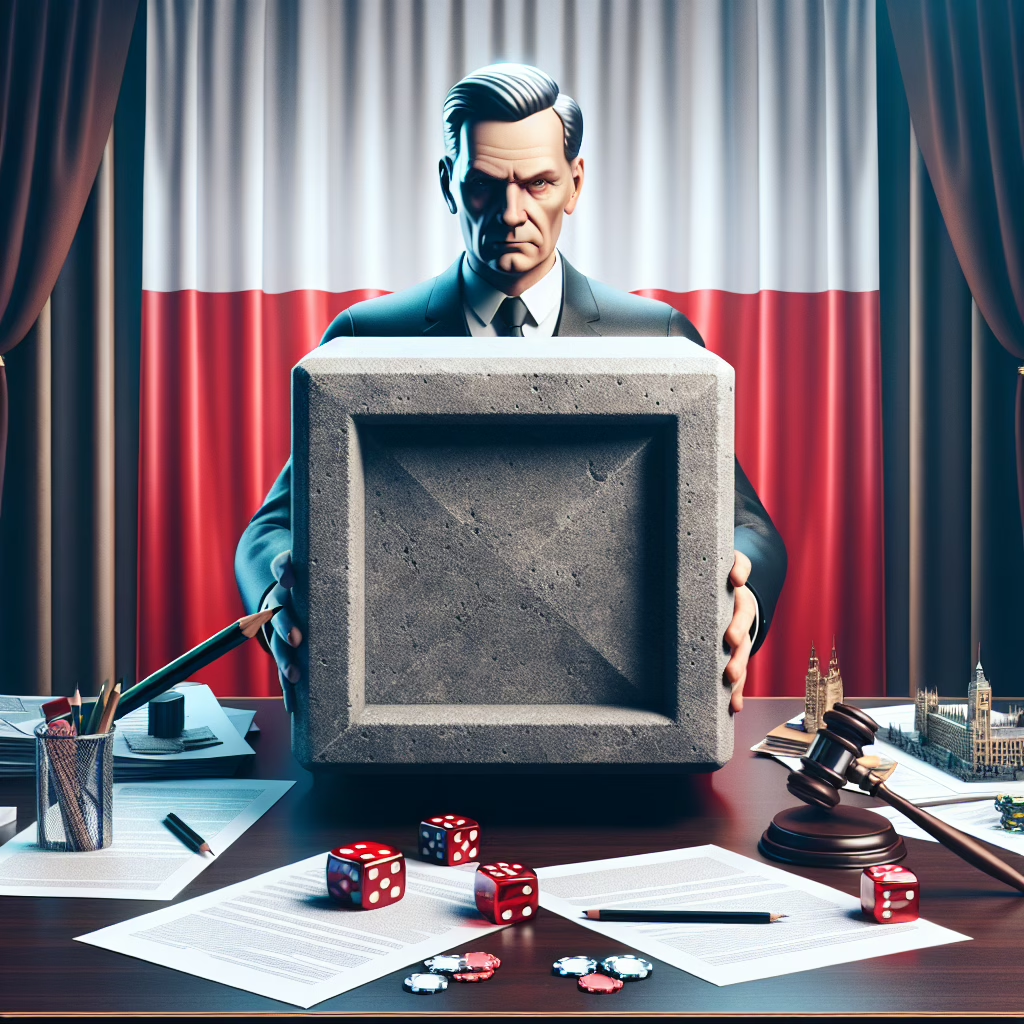
In December 2025, Poland’s President Karol Nawrocki vetoed a proposed increase in the tax on betting winnings from 10% to 15%, halting a legislative measure that had been in development since October. This proposal was part of an extensive revision of the Personal Income Tax Act meant to raise tax rates across various gaming sectors, such as betting, lotteries, and prize draws. Notably, small wins under PLN 2,280 ($570) and certain gaming activities like slot machines, card and dice games, bingo, and raffles were set to remain exempt.
This presidential veto comes at a critical juncture, as the Polish government is actively seeking new revenue sources to address a significant budget shortfall. With gambling identified as a lucrative sector, the tax hike was in line with broader European trends aiming to increase state revenue through higher taxation on gaming activities. The president’s decision to block the increase aligns with his earlier promise, articulated in his “Plan 21,” where he vowed not to support any tax hikes for Polish citizens.
“In my Plan 21, I announced I would not sign any bills that raise taxes for Poles,” Nawrocki declared, emphasizing his commitment to shielding citizens from additional financial burdens. He critiqued the government’s fiscal strategy, arguing that, “the goal is obvious: to close the huge budget hole for which the government is responsible. After 11 months, we have a deficit of over PLN 240 billion ($64.8 billion). Instead of tightening the tax system, the government is reaching into citizens’ pockets.”
Despite the veto, the possibility of the tax increase resurfacing remains. Under Poland’s legislative procedure, the Sejm, which is the lower house of the Polish parliament, can override the president’s veto if three-fifths of members vote in favor, provided at least half of the chamber is present. Therefore, the heightened tax on betting winnings could yet be revived.
For the time being, licensed gambling operators in Poland have welcomed the president’s veto as a significant relief. Marek Plota, a legal expert from RM Legal, had previously cautioned that higher taxes might push consumers towards unregulated and potentially unsafe platforms, a risk given the current environment where over 50,000 domains are blacklisted. Maintaining the present tax structure helps keep licensed offerings attractive and minimizes the threat of players turning to the grey market.
Meanwhile, the Ministry of Finance continues its efforts to clamp down on illegal gambling operations. It is actively targeting influencers and financial intermediaries associated with offshore gambling brands. The Polish betting market remains highly competitive, featuring major players like STS Holdings as well as other domestic and international firms vying for market share. A heavier tax burden on consumers could have intensified existing pressures within the industry.
Nawrocki’s decision also contrasts sharply with the broader European landscape, where countries like the UK, Netherlands, and France have typically chosen to increase gaming taxes, usually focusing on operators rather than consumers. These international examples highlight a trend of leveraging gaming taxes to bolster public finances, which Poland has now opted not to follow, at least for the time being.
Looking ahead, attention is turning to 2026 when Poland is expected to revisit its stringent online casino regulations. Currently, Totalizator Sportowy, a state-owned entity, holds the exclusive right to operate an online casino, a situation that has drawn criticism from industry stakeholders seeking freer market conditions.
This development underscores the ongoing debate in Poland regarding the balance between generating government revenue and fostering a healthy, competitive gaming market. As the conversation continues, different perspectives will likely influence the ultimate path forward. While some argue for increased taxation as a necessary tool for public investment, others caution against measures that could stifle industry growth and push consumers towards unregulated options. The dynamic between these viewpoints will shape Poland’s gaming industry landscape in the coming years.

James Miller is an editorial byline used by Casino No Deposits for industry news coverage. Articles published under this byline are summarised from reporting by licensed gambling industry news sources and produced with AI assistance, then published against our editorial rules on accuracy, sourcing and tone. They are not first-hand reporting and do not contain personal player accounts. Our full process, including how bonus listings and ratings are maintained separately by our team, is documented in how we review casinos: https://casinonodeposits.com/how-we-review-casinos/
Topics: Poland · France · Netherlands · United Kingdom · Illegal Gambling · Gambling Taxes
Looking for somewhere to play? See our current no deposit bonus offers, updated with verified codes and full wagering terms.