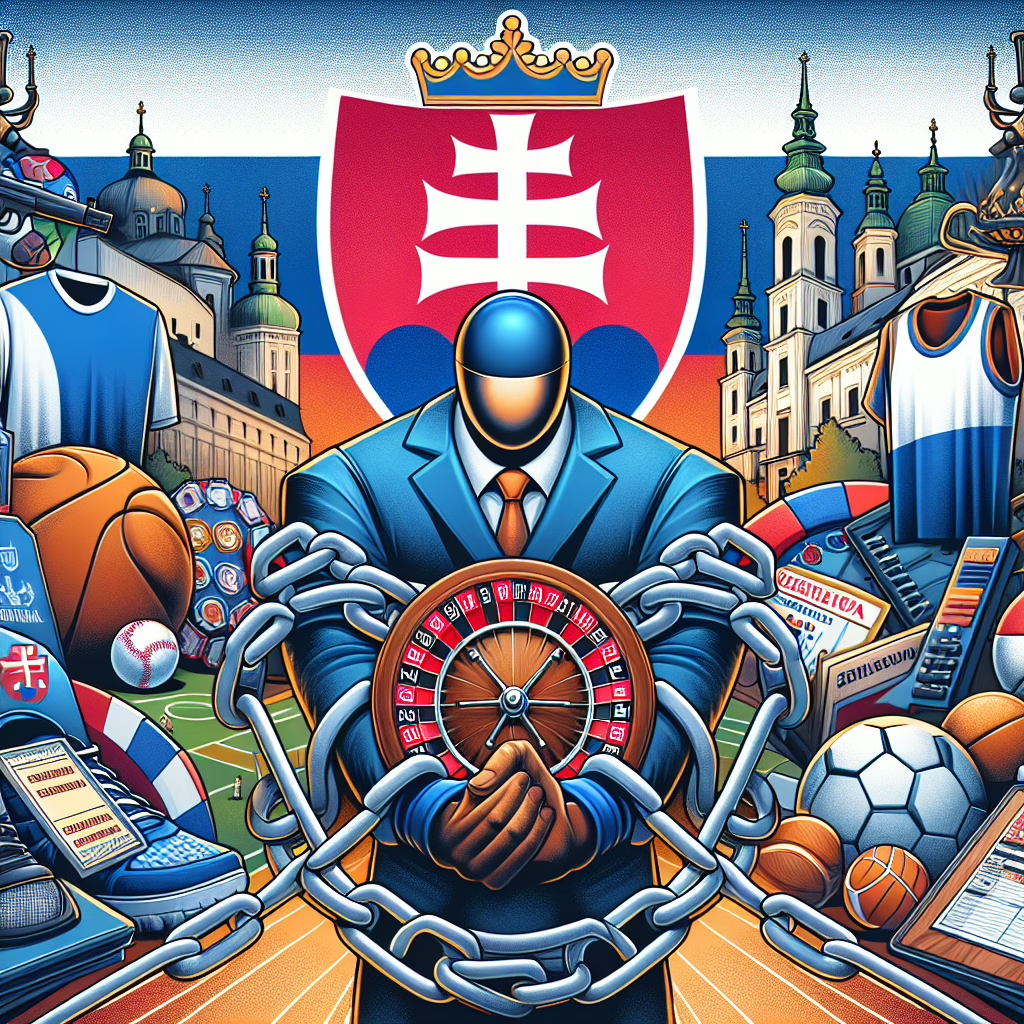
In November 2025, Slovakia’s Gambling Regulation Office has made it clear that sports organizations must sever all connections with unlicensed gambling entities. Director General Libuša Baranová, recently appointed to lead the office, has issued a stern warning to sports leagues, clubs, and federations across the country. Under the Gambling Act, any association with gambling operators lacking a Slovakian license must be terminated immediately, or the sports bodies could face significant penalties.
Baranová’s first public address signaled a new chapter in the regulation of gambling sponsorships within Slovakia. Her strong stance aimed to eradicate the influence of unlicensed operators who had found a route into the Slovakian market through high-profile sponsorships. These partnerships, she highlighted, are an unacceptable risk to the integrity of the country’s gambling framework. Fines as high as €250,000 could be enforced, she cautioned, should sports organizations fail to comply.
Sponsorships, traditionally a vital source of credibility and revenue for sports teams, have brought gambling brands into the limelight. Legal operators such as Niké and Tiposport are already entrenched in the Slovakian sports scene, supporting football, basketball, and ice hockey leagues. However, Baranová’s warning was primarily aimed at foreign companies that have yet to secure a Slovakian license but continue to display their logos on team kits, online platforms, and within venues. These entities, she noted, often leverage sports partnerships to expand their reach into international and neighboring markets, despite their non-compliance with national regulations.
The timing of this directive coincides with ongoing political discussions regarding Slovakia’s gambling laws. Earlier this month, President Peter Pellegrini exercised his veto on a proposed set of reforms that sought to update online gambling regulations and introduce new licensing protocols. Despite recognizing the necessity for a more robust regulatory framework, the President criticized the bill for insufficient measures to mitigate gambling-related harm. The legislation now returns to the National Council for reconsideration, casting uncertainty over the regulatory landscape.
In this interim period, Baranová insists on maintaining strict adherence to existing laws, particularly within the sports sector, where the visibility and potential impact of non-compliance are most pronounced. Sports organizations must now conduct thorough audits of their sponsorship and advertising relationships to ensure they adhere to the new directive. Any branding associated with unlicensed gambling operators must be promptly removed.
For many sports bodies, this crackdown presents a significant challenge. Sponsorship deals, which often provide crucial financial support, may no longer be viable under the new guidelines. Clubs and leagues must explore alternative revenue streams and develop new commercial strategies that align with the regulatory standards. For gambling operators, full compliance with Slovakia’s licensing requirements is essential for establishing a legitimate market presence and maintaining long-term partnerships with sports entities.
This move by Slovakia’s regulator reflects a broader effort to construct a gambling industry characterized by transparency, player protection, and comprehensive legal oversight. Sports organizations stand at the forefront of this transition, tasked with upholding the integrity of the regulatory framework and setting an example for compliance in the industry.
However, not everyone agrees with the stringent approach. Some stakeholders in the sports and gambling sectors argue that the immediate severance of existing sponsorships may have unintended negative consequences. “The sudden loss of income could destabilize smaller clubs and federations financially,” they contend. There’s a call for a more gradual phasing out of non-compliant partnerships, allowing organizations to adjust without jeopardizing their operations.
This regulatory push marks a significant shift in Slovakia’s approach to managing gambling-related activities and sponsorships. As the industry adapts to these changes, the dialogue between regulators, sports bodies, and gambling operators will be crucial in shaping a sustainable path forward. The coming months will test the resilience and adaptability of both the sports and gambling sectors as they navigate this new regulatory environment and strive to align with Slovakia’s vision for a safer, more transparent gambling landscape.

James Miller is an editorial byline used by Casino No Deposits for industry news coverage. Articles published under this byline are summarised from reporting by licensed gambling industry news sources and produced with AI assistance, then published against our editorial rules on accuracy, sourcing and tone. They are not first-hand reporting and do not contain personal player accounts. Our full process, including how bonus listings and ratings are maintained separately by our team, is documented in how we review casinos: https://casinonodeposits.com/how-we-review-casinos/
Topics: Gambling Advertising · Illegal Gambling · Licensing · Product Launches · Financial Results · Enforcement
Looking for somewhere to play? See our current no deposit bonus offers, updated with verified codes and full wagering terms.
 4.6/5
4.6/5