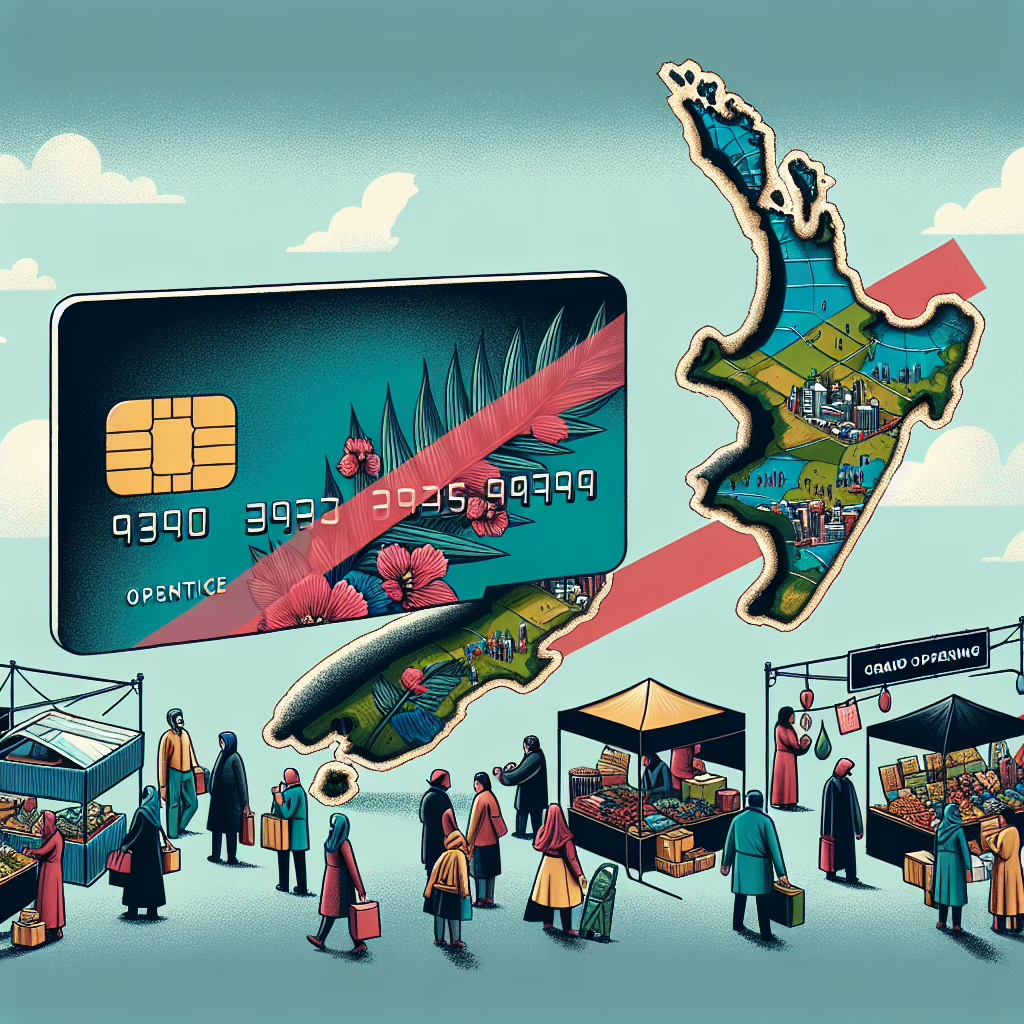
In a decisive move, New Zealand’s lawmakers have instituted a ban on the use of credit cards for online gambling as the nation approaches the launch of its regulated online gambling market. The policy aims to prevent gamblers from utilizing credit to fund their betting habits, a method often executed through topping up e-wallets with borrowed money. This restriction forms a crucial component of New Zealand’s strategy to implement robust consumer protection measures as they usher in the newly structured gambling landscape.
The government anticipates that by the end of next year, up to 15 operators will be actively participating in the market, projecting impressive license fee revenues estimated at NZD 44 million, or approximately $25 million USD. This substantial figure represents only the initial phase of potential revenue growth, as ongoing tax collections are expected to further enrich the national budget. Internal Affairs Minister Brooke van Velden supports this initiative, emphasizing the need for stringent regulations to help players manage their expenditures responsibly. “It’s about creating a safe environment where gambling does not spiral into financial distress,” she suggests, highlighting the government’s commitment to safeguarding consumer interests.
A significant aspect of this new regulatory framework is the imposition of a 16% tax on the revenue of online gambling operators. This figure marks an increase from previous plans and underscores the government’s intent to establish a sustainable and fair market environment. The tax policy is intended not only to generate revenue but also to create a competitive edge for licensed operators against unauthorized offshore gambling sites that continue to target New Zealand’s market without official consent.
Despite the clear benefits, there remain uncertainties about the uptake of all 15 licenses when the market officially opens. Industry experts speculate that while the relatively low tax rate might attract operators, the success of the initiative will largely depend on the effectiveness of enforcement against offshore competitors. The global online gambling industry is vast and competitive, with many operators seeking to expand their reach into markets like New Zealand.
From an industry perspective, the decision to prohibit credit card use is seen as a proactive measure to curb potential problem gambling. Globally, the online gambling sector has faced scrutiny over issues relating to consumer protection and responsible gambling. By establishing these early precautions, New Zealand positions itself as a forward-thinking jurisdiction, prioritizing the well-being of its citizens.
Nevertheless, there are differing opinions on the potential impact of the credit card ban. Critics argue that such restrictions could inadvertently drive players towards unregulated platforms, where consumer protections are weaker, if not non-existent. In markets where similar bans have been implemented, such as the United Kingdom, there has been a reported uptick in the usage of alternative payment methods that may still leverage credit indirectly. This concern underscores the importance of comprehensive enforcement and public education about the risks associated with gambling on unlicensed sites.
The economic implications of the new market regulations are also noteworthy. With the projection of substantial tax revenues, New Zealand stands to benefit from a well-regulated online gambling sector. These funds could be channeled into public services and initiatives aimed at further promoting responsible gambling practices. However, the success of these projections hinges on the market’s ability to attract and maintain reputable operators who will comply with the new regulations.
Furthermore, the introduction of the Online Casino Bill signals New Zealand’s commitment to modernizing its gambling laws in line with global trends, recognizing the potential of digital platforms to generate significant economic activity. The country is not unique in this endeavor, as many jurisdictions worldwide are revisiting their gambling regulations to better align with the realities of the digital age.
As stakeholders await the finalization of the Online Casino Bill, there is cautious optimism about the market’s potential. However, achieving a balance between consumer protection, competitive taxation, and effective regulation will be crucial for the successful launch and sustainability of New Zealand’s online gambling market. In this evolving landscape, adaptability and vigilance will be key to navigating the challenges and opportunities that lie ahead.
In conclusion, New Zealand’s strategic decision to ban credit card use for gambling, coupled with the introduction of a new tax regime, represents a bold step towards creating a controlled and responsible online gambling market. While the path forward presents challenges, such measures could position New Zealand as a leader in the realm of regulated online gambling, fostering an environment where both players and operators can thrive under a system that prioritizes safety and integrity.

erik is an editorial byline used by Casino No Deposits for industry news coverage. Articles published under this byline are summarised from reporting by licensed gambling industry news sources and produced with AI assistance, then published against our editorial rules on accuracy, sourcing and tone. They are not first-hand reporting and do not contain personal player accounts. Our full process, including how bonus listings and ratings are maintained separately by our team, is documented in how we review casinos: https://casinonodeposits.com/how-we-review-casinos/
Topics: New Zealand · United Kingdom · Illegal Gambling · Licensing · Gambling Taxes · Responsible Gambling
Looking for somewhere to play? See our current no deposit bonus offers, updated with verified codes and full wagering terms.